

John Doe
Tonglida Heavy Industry Machinery Engineer
Not all heavy-duty material handling challenges can be solved with a forklift. While forklifts have been the go-to solution for decades, they come with several drawbacks – limited lifting capacity, restricted visibility, space inefficiency, and dependency on manual labor. In confined spaces or complex environments, forklifts can quickly become less effective.
In today’s dynamic industrial landscape, businesses need more than just traditional forklift options. The demand for customized, scalable, and efficient material handling systems is growing. We’ve compiled a list of 10 advanced forklift alternatives – designed with cutting-edge technology to solve your toughest transport challenges.
I. Forklift Alternative Solutions
A. Trackless Transfer Carts
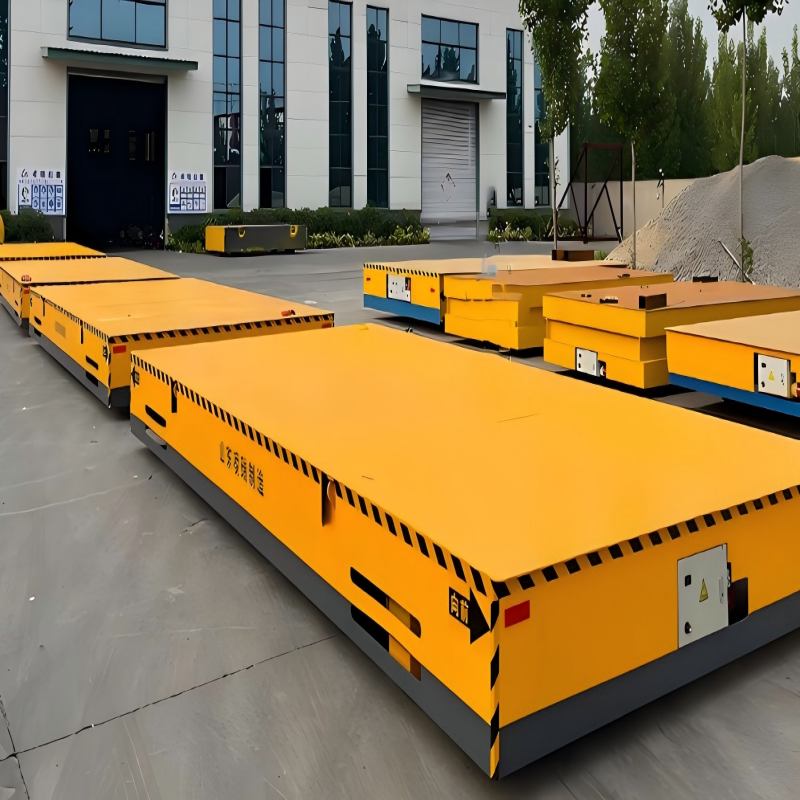
Advantages:
Our battery-powered system is designed for rapid deployment and easy layout adjustments, eliminating the need for track installation. With stable traction on level factory floors, it ensures smooth operation while offering a compact design and agile steering for effortless navigation in narrow aisles. This system supports both remote control operation and semi-automatic modes, providing flexibility for different operational needs. Its low-noise, zero-emission performance makes it ideal for indoor environments, enhancing workplace comfort and meeting environmental standards. Perfect for modern manufacturing, logistics, and warehouse operations, this solution offers efficient, sustainable performance in space-constrained settings.
Applications:
Factories, warehouses, assembly workshops, cross-area material transport
B. Rail Transfer Cart
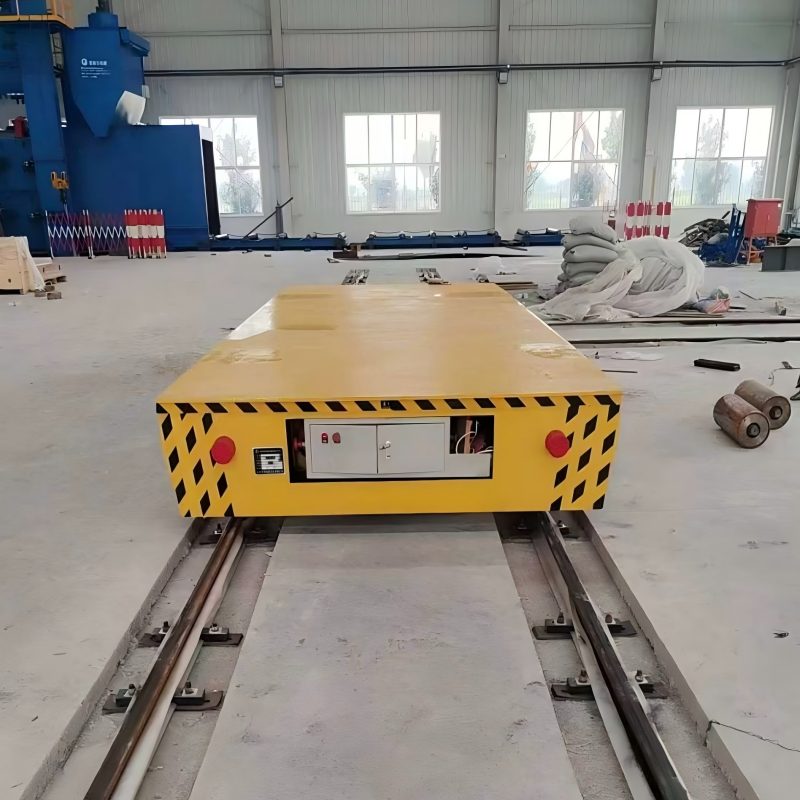
Advantages:
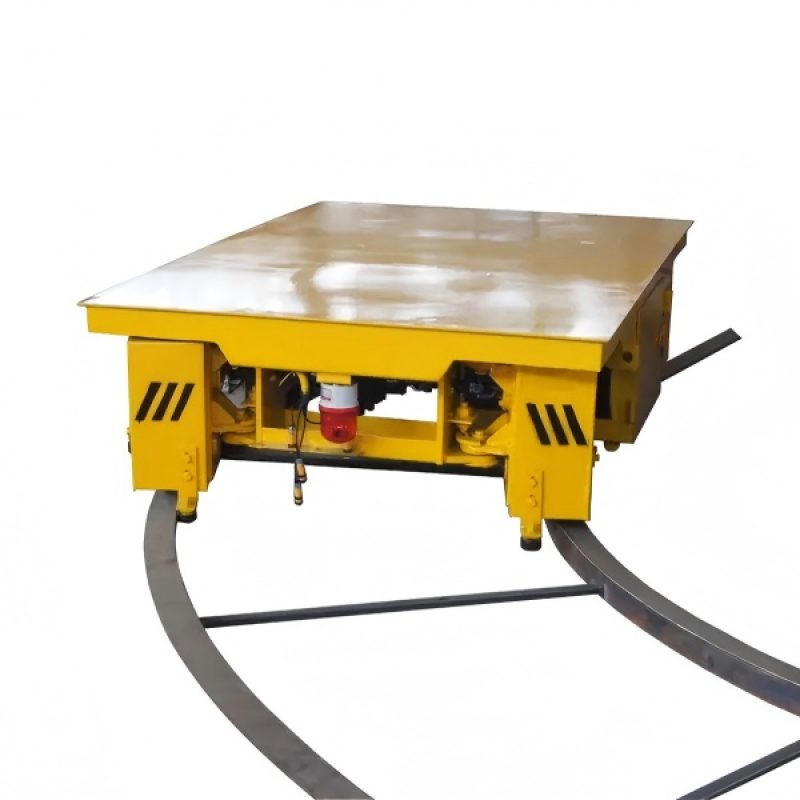
The steel wheel and rail structure ensures excellent load stability and reliable operation, even when handling extremely heavy and highly concentrated loads. With high positioning accuracy, the system is well suited for repetitive transport tasks that require precise alignment and consistent performance. Designed for long-distance and high-frequency operation, it delivers smooth and dependable movement in demanding industrial environments. Its simple and robust mechanical structure reduces maintenance requirements and contributes to a long service life, making it a cost-effective solution for heavy-duty material handling applications.
Disadvantages:
Fixed travel route limits flexibility
Requires civil work for rail installation
Applications:
Steel plants, heavy manufacturing lines, continuous production systems
C. Custom Transfer Cart
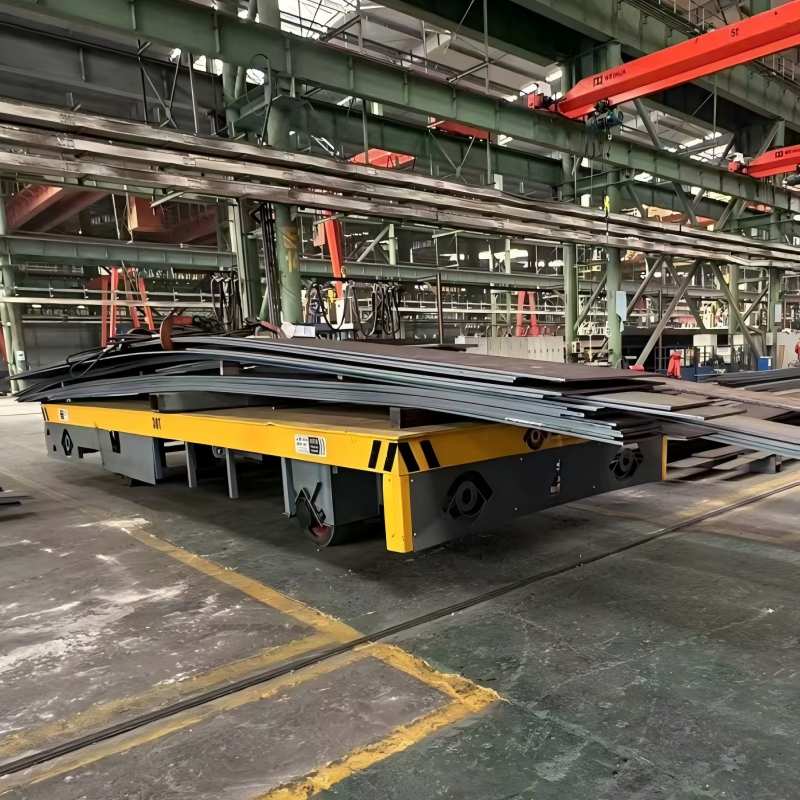
Advantages:
This solution is fully customized to meet specific operational requirements, with flexible options for load capacity, platform size, and structural design to accommodate a wide range of applications. Multiple power supply configurations are available, including battery-powered, cable-powered, and rail-supplied systems, ensuring reliable performance under different working conditions. The system can be integrated with lifting, rotating, weighing, or advanced automation systems to support complex material handling tasks. Designed to match specific floor conditions and workflow layouts, it is especially well suited for non-standard and oversized cargo handling, delivering safe, efficient, and adaptable performance in demanding industrial environments.
Disadvantages:
Longer design and delivery cycle
Higher engineering involvement required
Applications:
Special projects, non-standard industrial handling, customized production lines
D. Die Transfer Cart
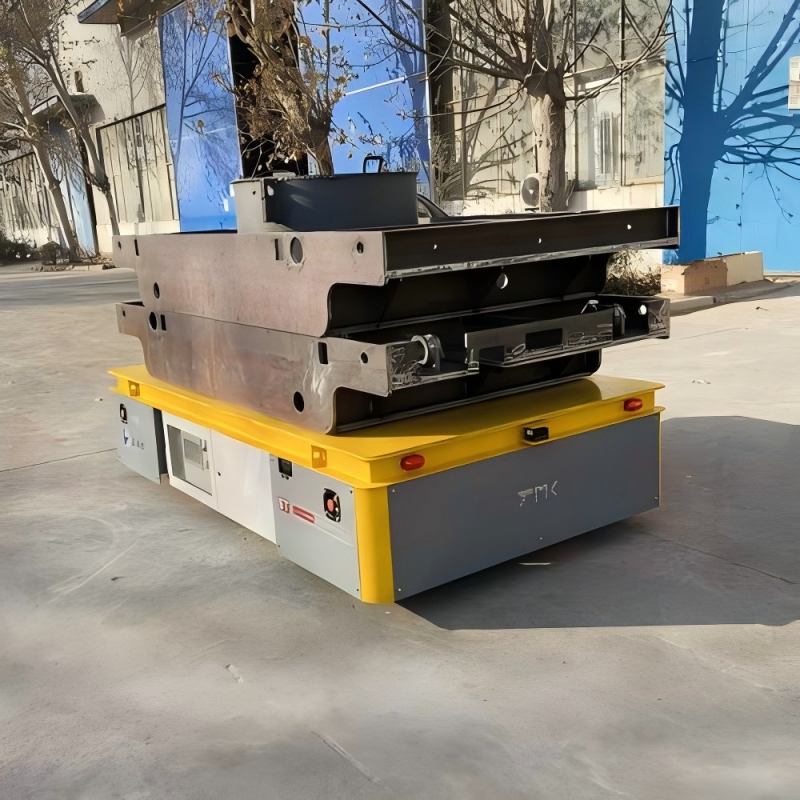
Advantages:
Designed specifically for handling heavy molds and dies, this system delivers stable, controlled movement even under high loads. Smooth start and stop functions effectively reduce impact and vibration during transportation and positioning, helping to protect valuable tooling and extend service life. High positioning accuracy ensures precise alignment during die change operations, significantly improving efficiency and reducing downtime. In addition, the system supports remote control operation, allowing operators to maintain a safe distance from heavy loads and hazardous areas, enhancing overall workplace safety and operational reliability.
Applications:
Automotive stamping lines, mold workshops, press machine areas
E. Coil Transfer Cart
Advantages:
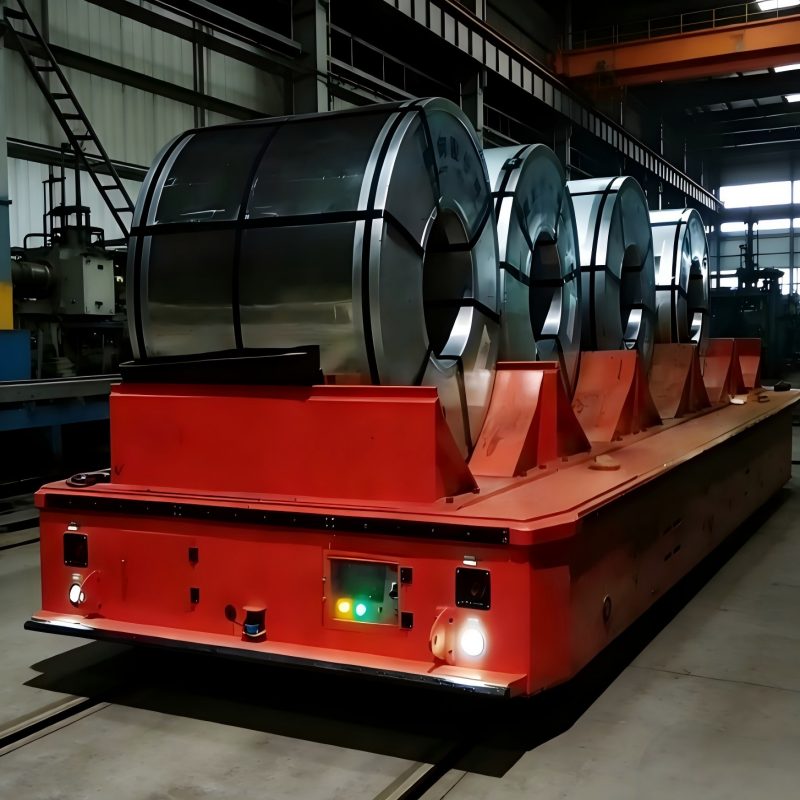
The specially designed platform structure effectively prevents coil rolling during transport, ensuring safe and secure handling of steel coils. Engineered for large and heavy steel coils, the system provides stable and controlled movement to minimize the risk of shifting or damage. Its robust design ensures safe coil transportation even under demanding operating conditions. In addition, the platform can be customized to accommodate different coil sizes and weights, making it a flexible and reliable solution for various steel coil handling application
Disadvantages:
Not suitable for flat or boxed materials
Requires correct load positioning
Applications:
Steel mills, metal processing plants, coil storage areas
F. Explosion-Proof Transfer Cart
Advantages:
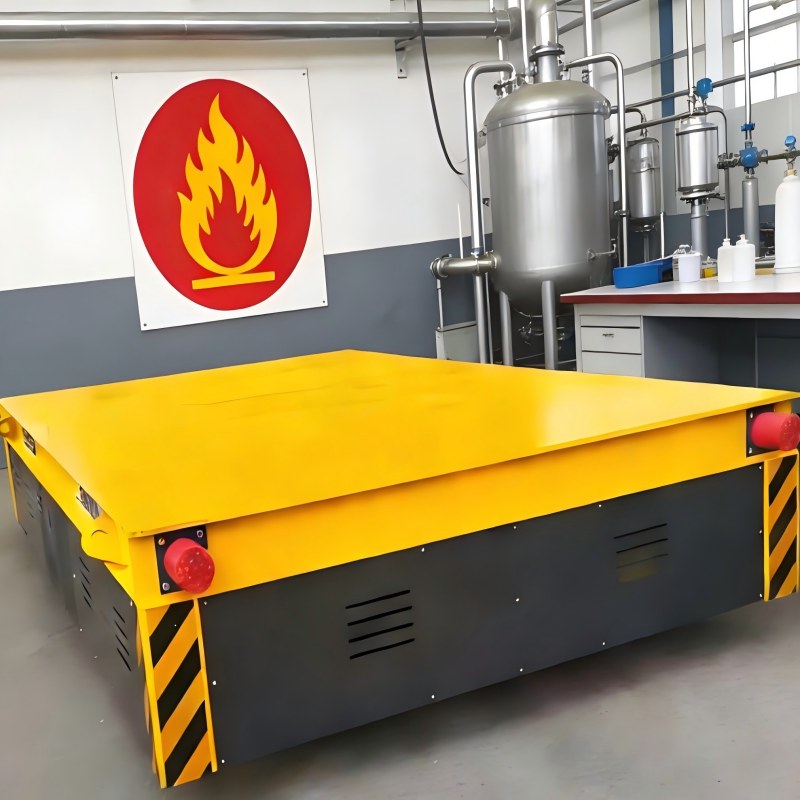
The system is equipped with explosion-proof electrical components specifically designed for use in hazardous areas, ensuring safe and reliable operation in environments with flammable gases or combustible dust. Built to withstand harsh working conditions, it delivers stable performance even under high temperatures, humidity, or heavy industrial use. The design complies with international explosion protection standards, providing enhanced safety, regulatory compliance, and long-term reliability for demanding industrial applications.
Disadvantages:
Higher cost compared to standard transfer carts
Maintenance requires technicians
Applications:
Chemical plants, oil & gas facilities, hazardous material workshops
G. Hydraulic Lifting Transfer Cart
Advantages:
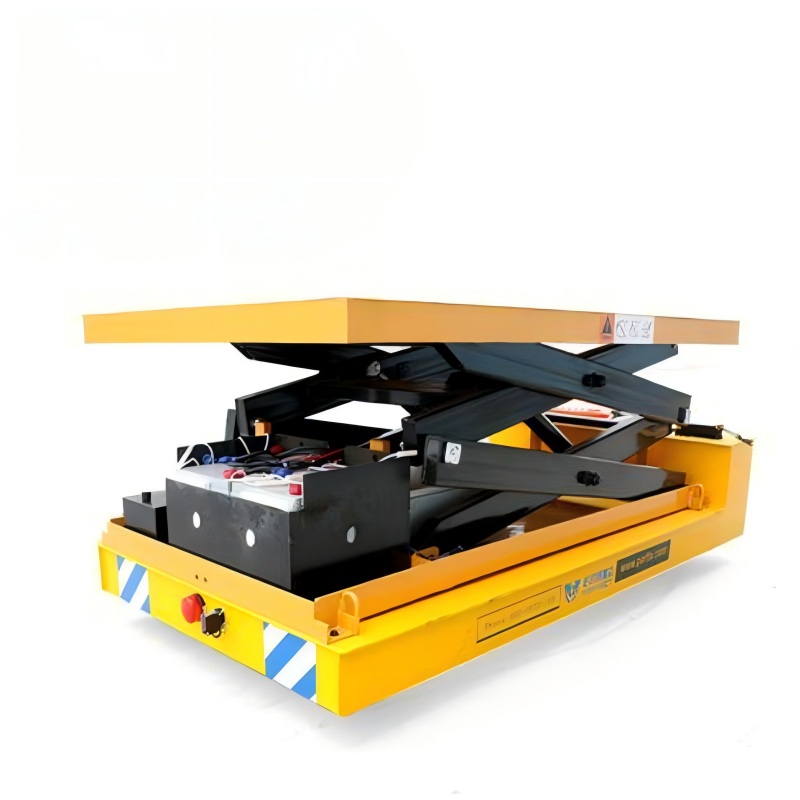
The integrated lifting system enables height adjustment to precisely match the elevation of machines, platforms, or workstations, ensuring accurate alignment during loading and unloading operations. This capability reduces the need for manual handling and minimizes the risk of damage or injury, significantly improving operational efficiency. Designed to handle heavy and oversized loads, the system provides stable and controlled lifting performance, making it ideal for demanding industrial environments where precise positioning and safe material transfer are critical.
Disadvantages:
More complex structure than standard carts
Requires regular hydraulic system maintenance
Applications:
Assembly lines, equipment installation areas, production workstations
H. Industrial Turntable Transfer Cart
Advantages:
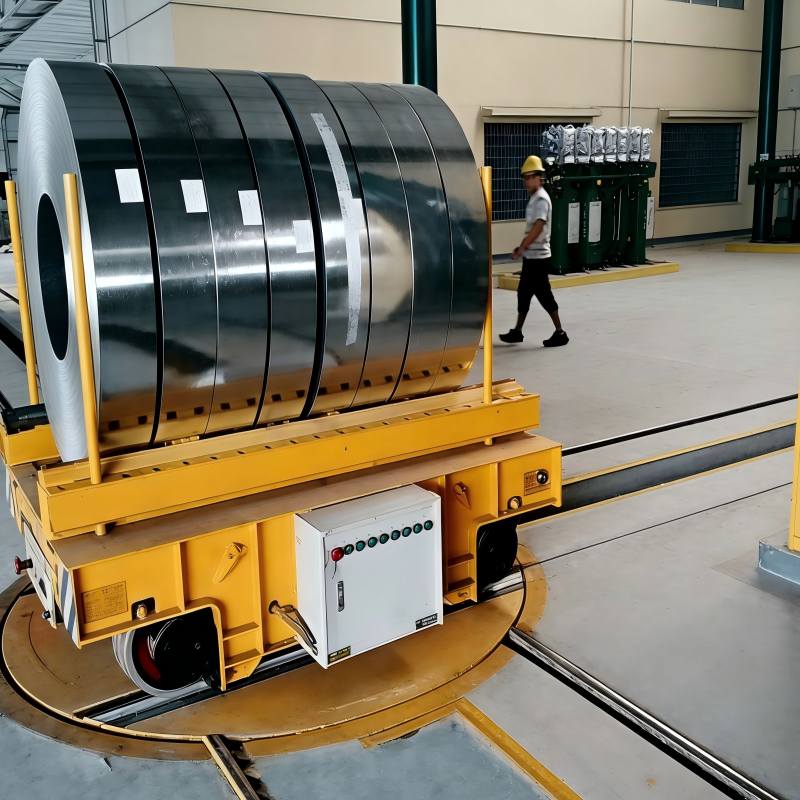
The built-in turntable enables full 360° rotation, allowing seamless multi-directional transfer and eliminating the need for complex track intersections. This feature effectively solves layout constraints in compact workshop environments, optimizing space utilization and simplifying material flow. The turntable is engineered for smooth rotation even under heavy loads, ensuring stable and reliable performance during continuous operation.
Disadvantages:
Higher design and manufacturing complexity
Higher initial investment
Applications:
Multi-line workshops, logistics hubs, complex rail layouts
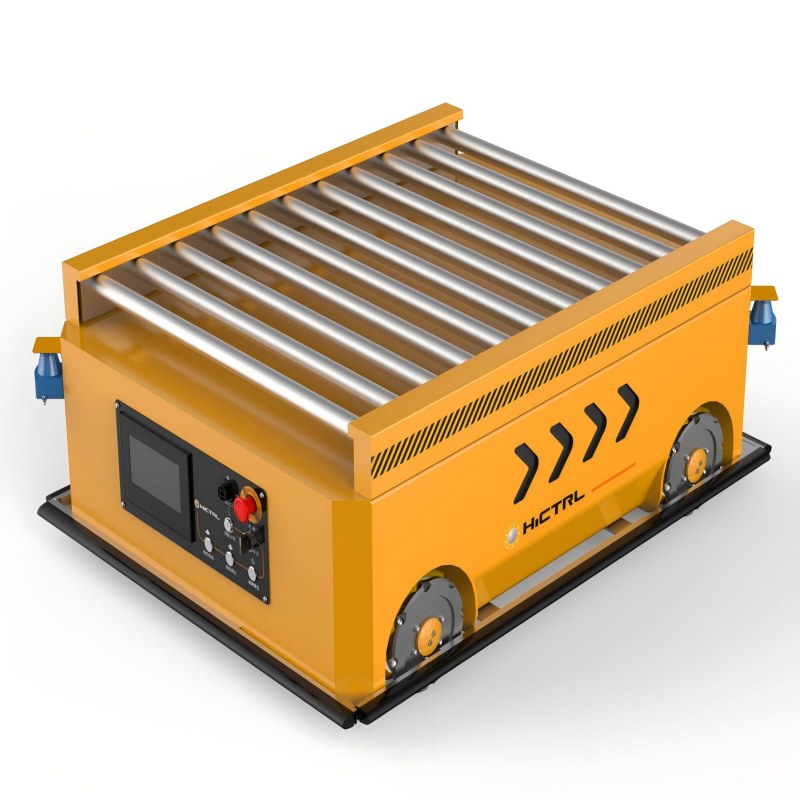
I. Power Roller Transfer Cart
Advantages:
Integrated powered rollers enable automatic loading and unloading, allowing smooth and efficient transfer of pallets and standardized loads. The system can seamlessly connect with conveyors and production lines, creating a continuous material flow that minimizes interruptions and enhances overall productivity.
Disadvantages:
Best suited for flat-bottom or palletized goods
Less flexible for irregular cargo shapes
Applications:
Automated warehouses, production lines, logistics systems
G. AGV Transfer Cart
Advantages:
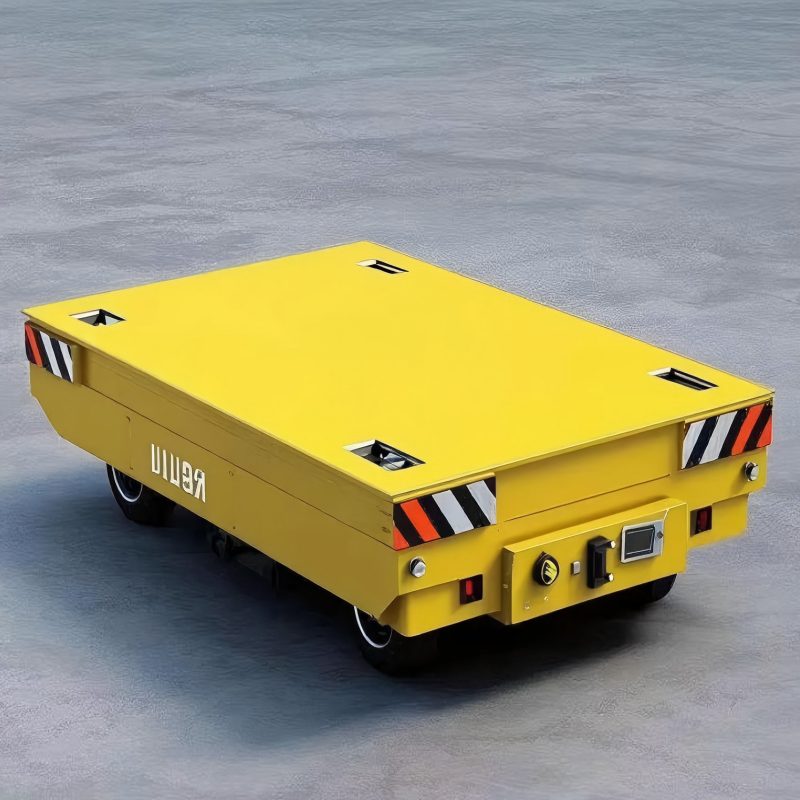
Autonomous navigation enables the vehicle to follow predefined routes or dynamically plan paths based on real-time factory layouts, reducing labor dependency by automating start/stop, docking, and task execution. The system ensures high safety through multi-layer obstacle detection, including LiDAR, ultrasonic sensors, and safety bumpers, which automatically slow down, stop, or reroute the vehicle when obstacles or personnel are detected. Flexible routing without fixed tracks allows the vehicle to navigate freely across the workshop using map-based localization and path planning, making layout changes and workflow adjustments simple and cost-effective. Designed for smart factory integration, the system supports connection with WMS/MES and industrial protocols such as Ethernet/IP and OPC UA, enabling automated task assignment, status reporting, and coordinated operation with other equipment for efficient and scalable automation upgrades.
Disadvantages:
Higher system integration cost
Requires stable floor and clear routes
Applications:
Smart factories, automotive plants, electronics manufacturing
II. Why Transfer Carts Are a Smarter Alternative to Forklifts?
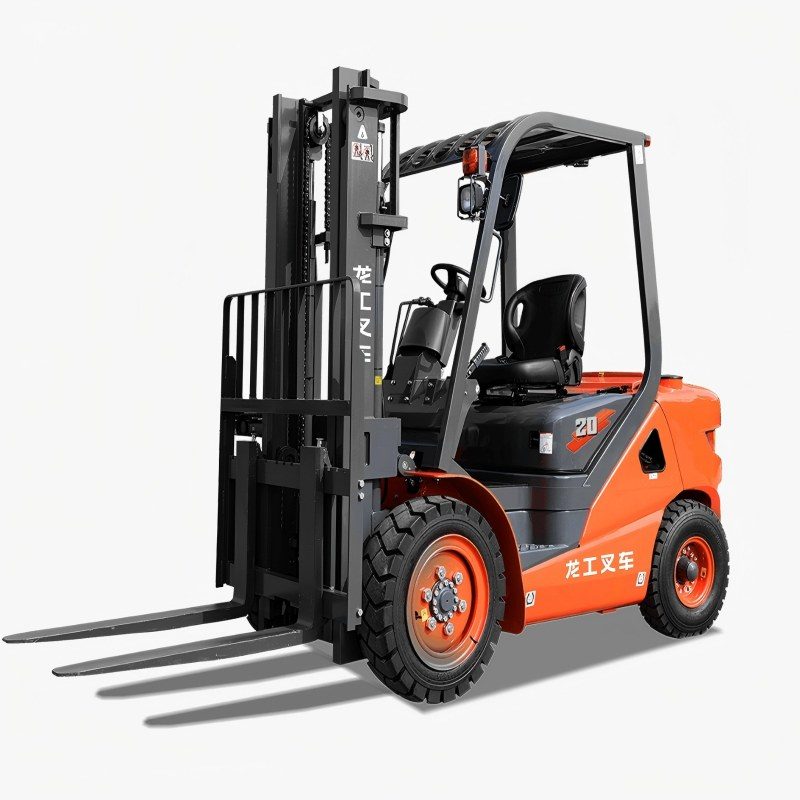
Forklifts are widely used, but they are not always the most efficient or safest solution—especially when handling ultra-heavy loads, oversized materials, or operating in complex industrial layouts. Transfer carts provide a controlled, stable, and customizable transport method that forklifts simply cannot match.
Unlike forklifts, transfer carts could reduce the risk of tipping, collision, and operator error. They are ideal for fixed routes, high-capacity transport, and automated production environments.
III. Are Transfer Carts Safer Than Forklifts?
Yes, in many industrial scenarios. Transfer carts operate at low speeds, follow predefined paths, and can be equipped with multiple safety systems such as obstacle detection, emergency stop devices, alarms, and anti-collision sensors.
They also reduce dependency on forklift operators and minimize human-related risks.
IV. Do Transfer Carts Require Operator Certification?
Unlike forklifts, transfer carts usually do not require formal forklift licensing. Most systems are operated via remote control, fixed-point control, or automated programs, making training simpler and faster while improving overall safety compliance.
V. How the Transfer Carts Enhance Warehouse Efficiency?
Different types of floor vehicles and handling equipment leverage their respective strengths in warehousing operations, collectively enhancing storage efficiency. Rail-guided heavy-duty transporters are ideal for fixed routes and high-frequency repetitive transport scenarios, delivering exceptional stability and positioning accuracy to minimize handling time and errors. Battery/rail-powered automated guided vehicles (AGVs/AMRs) enable unmanned operation, remote control, and automated scheduling, reducing reliance on manual labor while improving operational continuity.
Floor trucks with integrated lifting, rotating, or roller functions seamlessly interface with conveyor lines and production lines, shortening loading/unloading times and reducing manual handling. Specialized coil platforms with anti-roll structures ensure safe transport of heavy coils, preventing line stoppages or accidents caused by shifting cargo.
VI. Best Practices for Selecting Material Handling Equipment
When selecting material handling equipment, a comprehensive evaluation should be conducted across four dimensions: load characteristics, site conditions, operational workflow, and automation requirements.
- Load Characteristics: Determine cargo weight, dimensions, and whether it involves steel coils, molds, oversized items, etc., to select the corresponding load-bearing structure and protective design.
- Site Conditions: Consider ground levelness, need for tracks, workshop aisle width, and presence of hazardous areas (requiring explosion-proof electrical systems).
- Workflow: Define loading/unloading points, transport distance, frequency, and whether integration with production/conveyor lines is required. Determine if lifting, rotation, roller conveyors, or automated docking functions are needed.
- Automation and Safety Requirements: Select appropriate systems based on need for unmanned operation, remote control, navigation methods (fixed rails/laser/vision), and safety levels (collision detection, emergency stop, etc.).
VII. Why Choose Tonglida for Material Handling Equipment?
Tonglida specializes in customized material handling equipment, offering reliable heavy-duty transfer carts, coil handling platforms, and automated systems designed for high load capacity, stable performance, and long service life. With professional engineering design, safety-focused features (such as precise positioning and explosion-proof components), and seamless integration with production lines and automation systems, Tonglida helps manufacturers improve efficiency, reduce labor dependency, and achieve smart factory upgrades.